
Imagine stepping into a shower that never leaks, never smells, and looks like it belongs in a five‑star hotel—right in your Nogales home.
Most homeowners grab the cheapest liner they can find, slap it on, and hope for the best. The result? Water seeping into the walls, mold popping up, and a constant battle with replacement costs.
Smart Nogales residents skip the guesswork. They pick a liner that matches their tile, seal every edge with precision, and treat the liner like a piece of art rather than an afterthought.
Want to discover the exact moves they make and how you can copy them without breaking the bank? Keep reading.
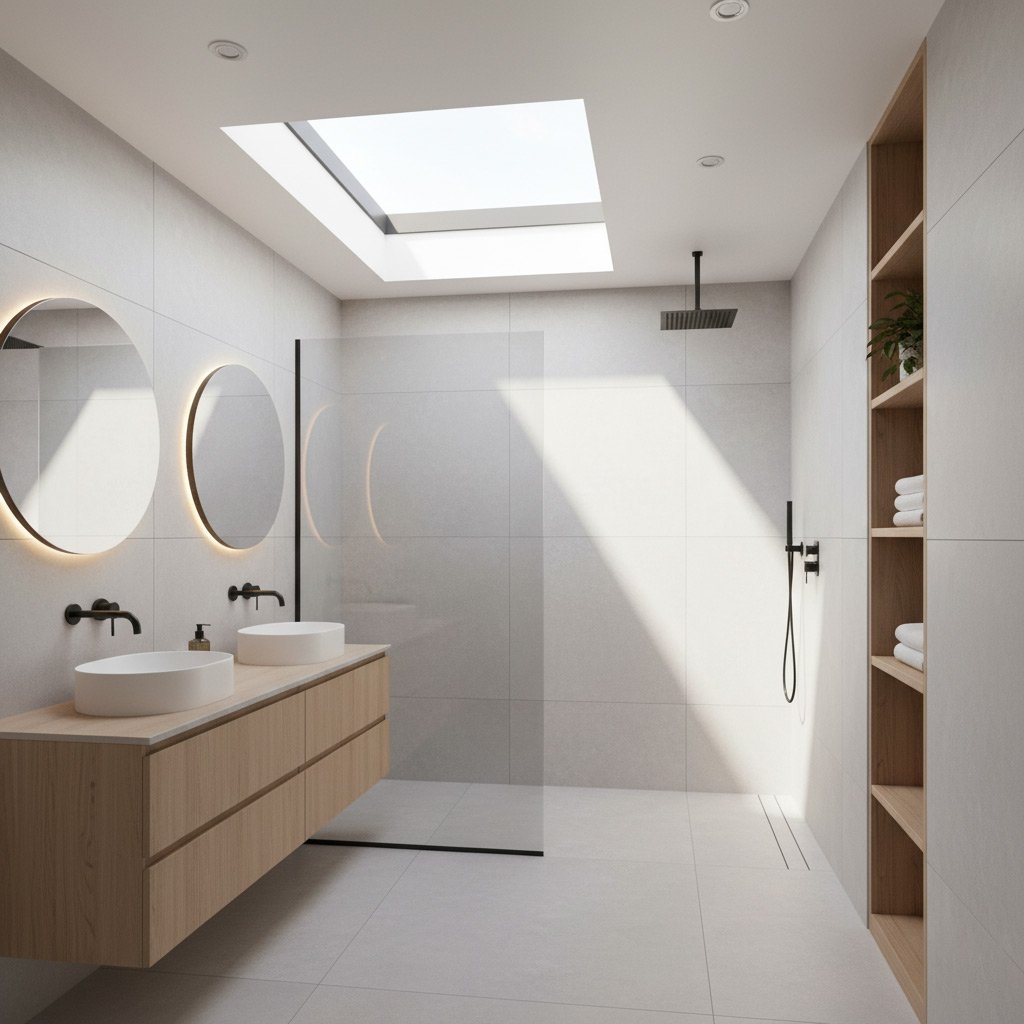
Why Shower Liners Matter: Protecting Walls, Preventing Mold, and Boosting Home Value
Wall Protection
Every drop that lands on your tile wants a shortcut to the studs. A quality liner blocks that shortcut, keeping drywall and framing dry. Without it, you’re paying for water damage before you even notice a leak.
Mold Prevention
Moisture loves to hide, and mold loves to grow. A properly sealed liner creates a barrier that denies mold the humidity it needs. Think of it as a raincoat for your bathroom walls.
Home Value Boost
Buyers in Nogales scan for red flags—water stains, musty smells, cracked grout. A pristine liner says “maintenance‑savvy,” and that can add thousands to your resale price. Invest now, profit later.
- Stops water from seeping into structural components.
- Reduces the chance of costly mold remediation.
- Enhances curb appeal and buyer confidence.
Selecting the Ideal Liner Material and Thickness for Nogales Climate
Material Options That Stand Up to the Desert
In Nogales you’ll face scorching summer heat, sudden monsoon bursts, and chilly winter nights. A liner that can breathe while staying watertight is the sweet spot. Most smart homeowners choose between PVC (budget‑friendly, easy to cut) and CPE (tougher, better UV resistance).
Here’s a quick cheat sheet:
- PVC – great for remodels on a budget, handles temperature swings well.
- CPE – ideal for new builds or high‑traffic showers, resists cracking under sun exposure.
- PE (Polyethylene) – rare, but unbeatable for extreme moisture zones.
Thickness Guidelines That Save Money
Too thin and you’ll hear the drip; too thick and you waste cash. For Nogales’ climate, most pros recommend a liner between 4 mm and 6 mm. The extra millimeter adds a buffer against expansion and contraction without making the floor feel “cushy.”
Pick the right thickness based on these rules:
- 4 mm – fine for a single‑person shower, low‑traffic areas.
- 5 mm – the sweet spot for most families, balances cost and durability.
- 6 mm – best for luxury tubs, steam showers, or homes that see a lot of foot traffic.
Balancing Cost and Longevity
Don’t let price be the only driver. A slightly pricier CPE liner at 5 mm can outlast a cheap 4 mm PVC by years, meaning fewer repairs and lower long‑term expenses. Look for liners that list “mold‑resistant core” and “UV‑stable” on the packaging – those are the ones that keep Nogales homeowners smiling for the next decade.
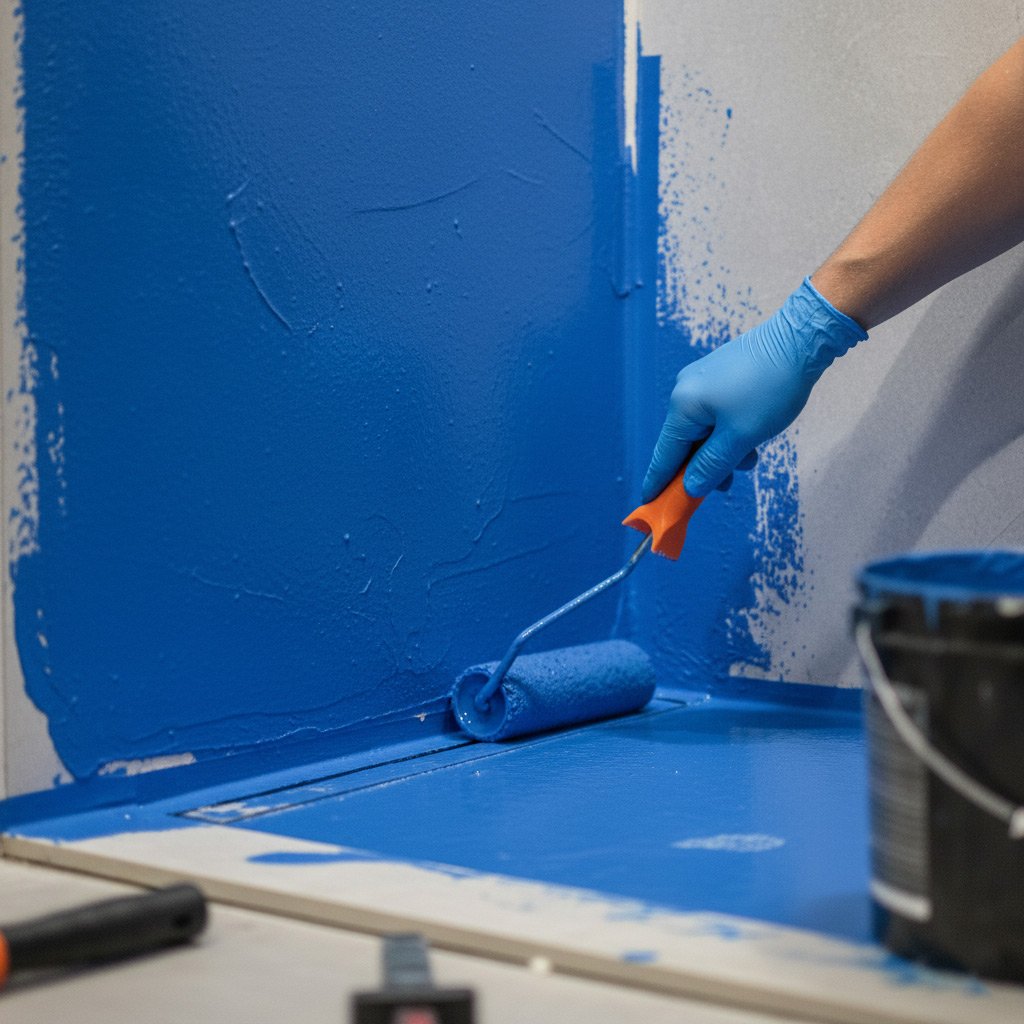
Coordinating Liner Color and Pattern with Tile and Bathroom Design
First thing smart Nogales owners do: they treat the liner like a design element, not a hidden utility. Pick a hue that echoes your tile’s undertone—whether it’s a soft sand, a deep slate, or a crisp white. This subtle echo keeps the eye moving and hides any inevitable seams.
Pattern Play Without the Chaos
Don’t let a busy tile pattern clash with a loud liner. Choose a liner that either mirrors a small motif from the tile or goes completely neutral. Neutral doesn’t mean boring; a matte finish in a complementary shade can make glossy tiles pop.
Quick visual tricks to lock in harmony:
- Match the liner’s border color to the grout line for a seamless look.
- Use a liner with a subtle texture if your tile is flat—adds depth without competition.
- For patterned tiles, pick a solid‑color liner that picks up the dominant color in the pattern.
Step‑by‑Step Installation: Precise Cutting, Seam Sealing, and Edge Finishing
Getting a liner to sit like a glove takes more than a quick slap‑on. The secret is treating each cut and seal as a small investment that pays off when the water stays where it belongs.
Measure Twice, Cut Once
Start by laying the liner flat on the shower floor. Mark the exact outline of the curb, niche, and any protruding fixtures. Then:
- Use a sharp utility knife; a dull blade tears the material and leaves ragged edges.
- Leave a ¼‑inch overhang on every side—this gives you room to trim after the seal sets.
- Double‑check measurements against the tile layout; a tiny misfit becomes a big leak later.
Seal the Deal
Once the pieces fit, it’s time to lock them down. Apply a thin bead of 100% silicone along every seam, pressing the liner together with a smooth roller. Finish with these quick moves:
- Press the silicone with a gloved finger to push out air bubbles.
- Run a wet rag along the edge to smooth the bead and ensure full contact.
- Let the seal cure for at least 24 hours before the first shower—patience beats a premature leak.
Ongoing Care: Cleaning, Inspection, and Quick Fixes to Avoid Costly Repairs
Regular Cleaning
Keep the liner spotless with a gentle, non‑abrasive cleaner. Skip the bleach—it eats the vinyl and invites cracks.
Follow a simple rhythm:
- Rinse with warm water after each shower.
- Wipe down with a microfiber cloth and a pH‑balanced soap.
- Give it a quick spray of a mold‑preventing solution once a month.
Monthly Inspection
Set a calendar reminder. A quick look can catch trouble before it spreads.
Check these spots:
- Seam lines—any lifting or bubbling?
- Edges around the tub or shower pan—are they still sealed?
- Wall corners—look for discoloration or a musty smell.
If you spot a problem, note the date and act fast. Early action saves dollars.
Fast Repairs
When a leak appears, don’t panic. A few tools and a bit of know‑how can stop the water in its tracks.
Typical fixes:
- Apply a fresh bead of silicone to any cracked seam.
- Use a vinyl patch kit for small punctures—press, smooth, and let cure.
- Re‑seal the liner’s perimeter with a high‑quality waterproof tape.
These steps take under an hour and keep your bathroom from turning into a repair nightmare.
Case Study: How a Smart Nogales Homeowner Saved $2,500 with a Custom Liner Upgrade
Background
Maria, a longtime Nogales resident, noticed a persistent musty odor after each shower. The original 3‑mm liner was warped from the desert heat, letting water seep behind the tile.
Instead of ripping out the whole tub, she consulted a local remodeler and opted for a 5‑mm PVC‑reinforced liner that matched her mosaic pattern.
The Upgrade Process
Key moves that cut costs dramatically:
- Measured precisely – a laser level ensured a perfect fit, eliminating waste.
- Selected a high‑density material rated for 120°F, perfect for Nogales summers.
- Used a professional‑grade seam tape and silicone sealant, sealing every joint like a pro.
Financial Impact
By avoiding a full bathroom demolition, Maria saved on labor, tile, and disposal fees. The custom liner cost $800, while a typical full‑replace job would have run $3,300.
She also prevented future mold remediation, which can add another $1,000‑$1,500 to the bill. In total, the smart upgrade kept $2,500 in her pocket and gave her shower a five‑star look.
Final Words
When you treat a shower liner like a cheap afterthought, you pay for it later. When you treat it like a design element, you protect your walls, keep mold at bay, and add resale value.
Takeaway Checklist
- Pick a liner that matches your tile’s color and the desert climate’s humidity.
- Seal every seam with a waterproof tape and a quality silicone bead.
- Inspect the edges quarterly; a tiny lift can become a $2,500 repair.
Ready to upgrade without blowing your budget? Dive deeper into the world of Shower Liners and see how a smart choice today saves you headaches tomorrow.
People Also Ask
How do smart Nogales residents choose the right shower liner thickness for the desert climate?
They select liners that are at least 6 mm thick to handle the extreme temperature swings and prevent cracking. Thicker liners also provide better moisture resistance, which is crucial in Nogales’ dry yet humid summer evenings.Why do Nogales homeowners prefer waterproof PVC liners over traditional vinyl?
PVC liners offer superior durability and are less prone to mold growth in the high‑humidity bathroom environment. They also resist UV degradation, which is important for homes with large windows that let in intense sunlight.What color‑matching tricks do savvy Nogales residents use when installing shower liners?
They choose liner colors that complement the tile’s undertone, often opting for neutral shades like sand or slate to blend seamlessly. Some also use patterned liners that echo the tile’s design, creating a cohesive look without extra cost.How do Nogales DIYers ensure a watertight seam on their shower liner?
They apply a high‑quality, mold‑resistant seam tape and press it firmly with a roller to eliminate air bubbles. After sealing, they run a water test for 24 hours to confirm there are no leaks before finishing the tile.What maintenance routine do smart Nogales homeowners follow to extend liner life?
They clean the liner weekly with a mild, non‑abrasive cleaner and inspect seams monthly for any signs of wear. Promptly addressing small cracks or loose seams prevents costly water damage and preserves the bathroom’s value.
Nogales Bathroom Remodel specializes in comprehensive bathroom renovations, bringing over a decade of craftsmanship to homes throughout Nogales, Arizona. Their team combines local knowledge with skilled trades to deliver functional and stylish spaces tailored to each homeowner’s needs.
Need Bathroom Remodel?
We provide fast, reliable property maintenance services to Nogales, AZ (85621, 85622, 85605, 85630, 85645) and surrounding communities, delivering solutions that keep your home or business running smoothly. Our technicians prioritize quick response and lasting results so you can get back to normal faster.
Get Bathroom Quote